About a fifth of the water we take in usually comes from food. When you eat much less on a GLP-1, and thirst signals are quieter, it is easy to fall behind on fluids. Low fluids can make constipation, headaches and tiredness worse.
How much do most adults need?
The US National Academies set adequate total water intakes of about 2.7 litres a day for women and 3.7 litres for men, from all drinks and food combined. You may need more in hot weather or when active, and less if a doctor has limited your fluids.
A simpler check: pale yellow urine through the day usually means you are drinking enough.
What counts
- Water, sparkling water, herbal tea
- Milk and kefir (they bring protein too)
- Soup and broth
- Tea and coffee, in moderate amounts
- Water-rich food: cucumber, melon, yogurt
Easy ways to drink more
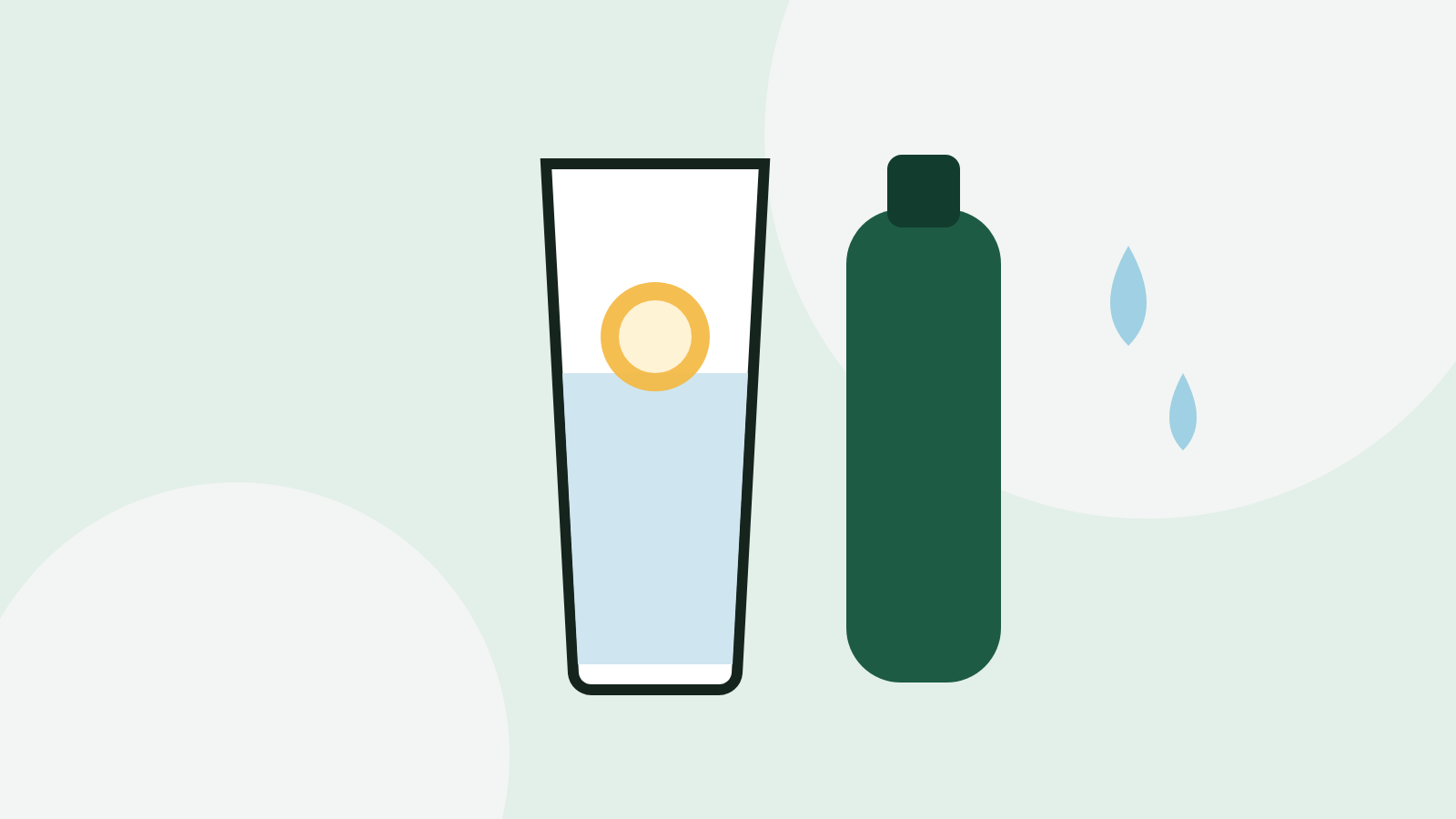
- Keep a bottle in sight and sip, rather than gulping large amounts.
- Have a glass of water between meals, not with them, so the meal fits.
- Try cold water, ice or herbal tea if plain water feels hard.
- Link drinks to habits: one glass when you wake, one mid-morning, one mid-afternoon.
When to get help
Contact your prescriber or seek care if you can't keep fluids down, feel dizzy, or pass very little urine. Ongoing vomiting or diarrhoea can dehydrate you quickly.
Sources
- National Academies: dietary reference intakes for water
- Nutritional priorities to support GLP-1 therapy for obesity (ACLM, ASN, OMA, TOS, 2025)
This article shares general food ideas, not medical advice. Talk to your prescriber about your dose, side effects and any condition that changes what you should eat.