Constipation is a common side effect of GLP-1 medications. Two things combine: digestion slows down, and most people eat and drink less than before. The good news is that small daily habits often help a lot.
Drink more than you think you need
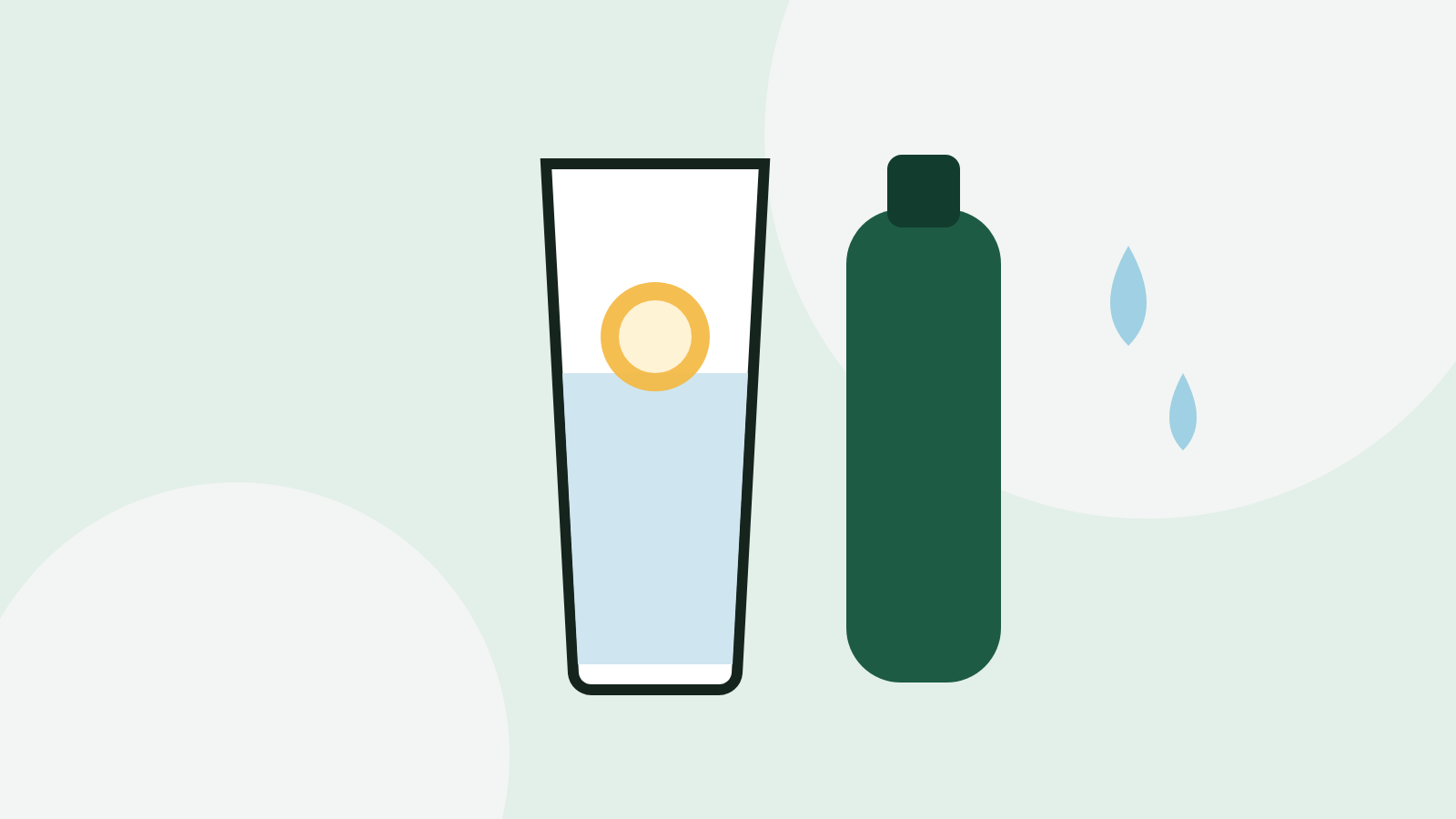
Fluid is the foundation. Many people on GLP-1s drink less without noticing because they feel full. Keep a bottle with you and sip through the day. Warm drinks in the morning can also help get things moving.
Build fiber up gradually
Most adults benefit from around 25 to 30 grams of fiber a day, but adding a lot at once can cause gas and bloating. Increase slowly over a week or two, and always add fluid with it.
Useful sources include:
- Kiwi fruit, pears, berries and prunes
- Oats and oat bran
- Chia seeds and ground flaxseed
- Lentils, chickpeas and beans, in small portions
- Cooked vegetables like carrots, zucchini and spinach
- Whole grain bread and brown rice
Keep some fat in your meals
Very low-fat eating can make constipation worse. Small amounts of olive oil, avocado, nuts or seeds help without being heavy enough to trigger nausea.
Move a little every day
Walking after meals helps digestion. Even 10 to 15 minutes makes a difference.
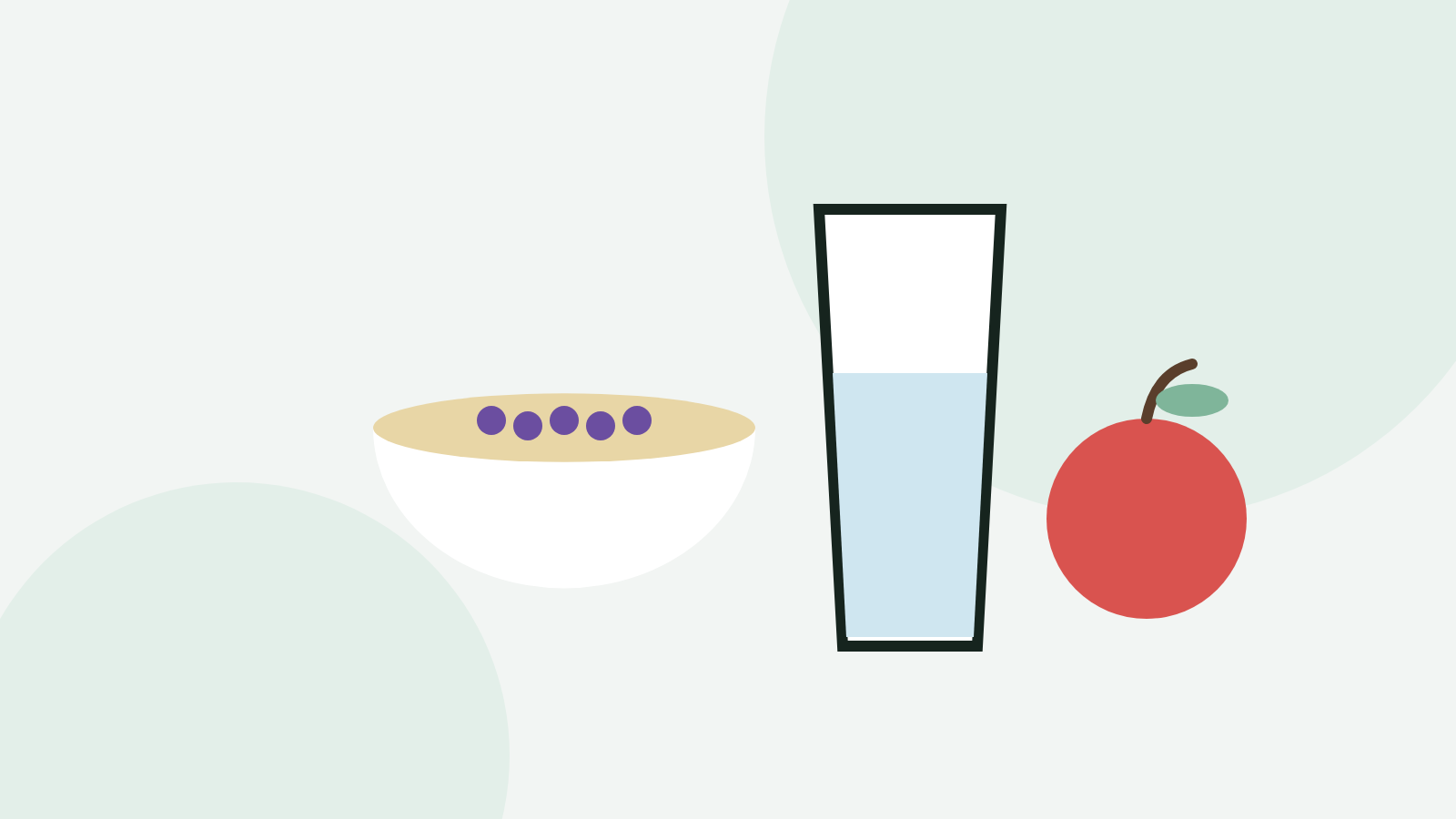
Simple fiber-friendly snack ideas
- Two kiwis
- Greek yogurt with chia seeds and berries
- A small handful of prunes
- Oatmeal with ground flaxseed
When to get help
Talk to your prescriber or pharmacist before taking laxatives or supplements regularly. Seek medical advice promptly if you have severe abdominal pain, a swollen belly, vomiting, or have not had a bowel movement for several days despite these steps.
The bottom line
More fluids, fiber added slowly, a little healthy fat and daily movement are the core habits. If constipation is severe or lasts, speak to your clinician.